A fluctuating state of arousal in which we can learn to observe and respond to throughout our life time through our emotions
EMOTIONS ARE CURRENTS OF ENERGY THAT OUR BODY CREATES A FEELING TO
Regulation Vs Dysregulation
When we use the term regulation it is referring to the state of a persons nervous system. When we are regulated our parasympathetic nervous system is activated, meaning we feel safe. When dysregulation occurs, our sympathetic nervous system activated, and we are entering a state of fight/flight/freeze. There are four main components which affect our sense of safety; How our body feels, emotions, environment and relationships/connection.
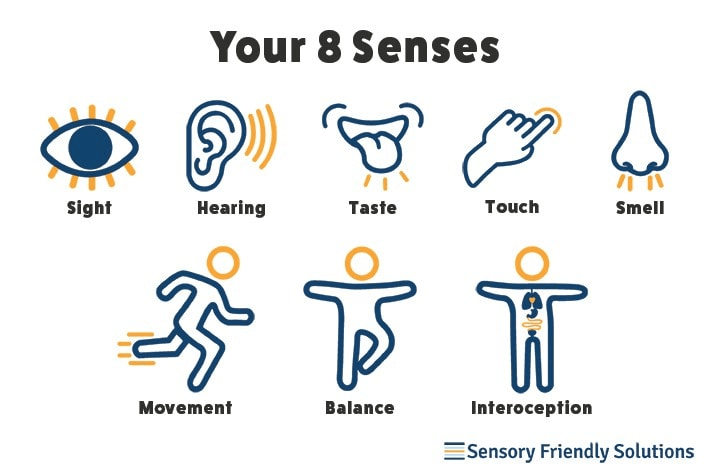
How our body feels
Well-being e.g. our hunger, sleep, illness, medication – (interoception)
Sensory input e.g. light touch/tickles; loud, low frequency sounds; busy environments
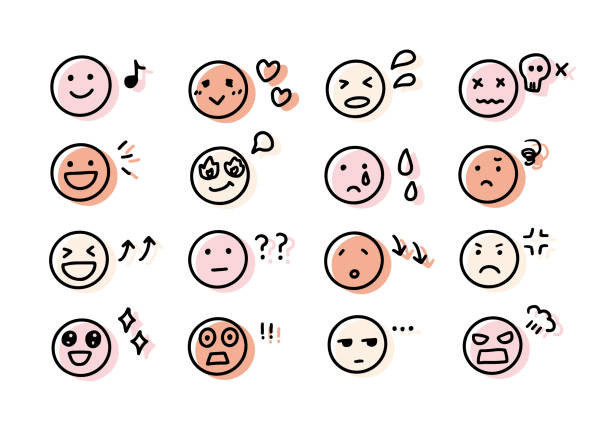
Emotions
Uncomfortable emotions e.g. anger; frustration; sadness; confusion
Comfortable emotions e.g. happiness; excitement
Environment
Familiarity of an environment: unfamiliar environments can make us feel unsafe/anxious
Predictability of environment of the routine: strong need to know what to expect from our day; unpredictable events can throw us off
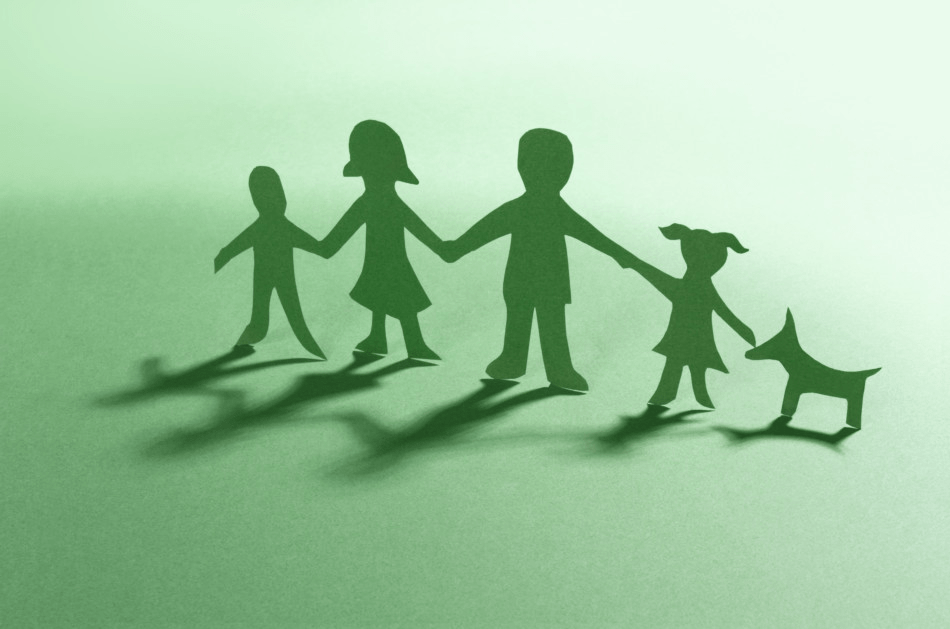
Relationships/connection
Feeling understood, accepted, valued by ‘safe’ people e.g. parents/carers/teachers; having needs met
Positive, enjoyable time together supports connection and feelings of safety
Want to know more? Book A CPD Training
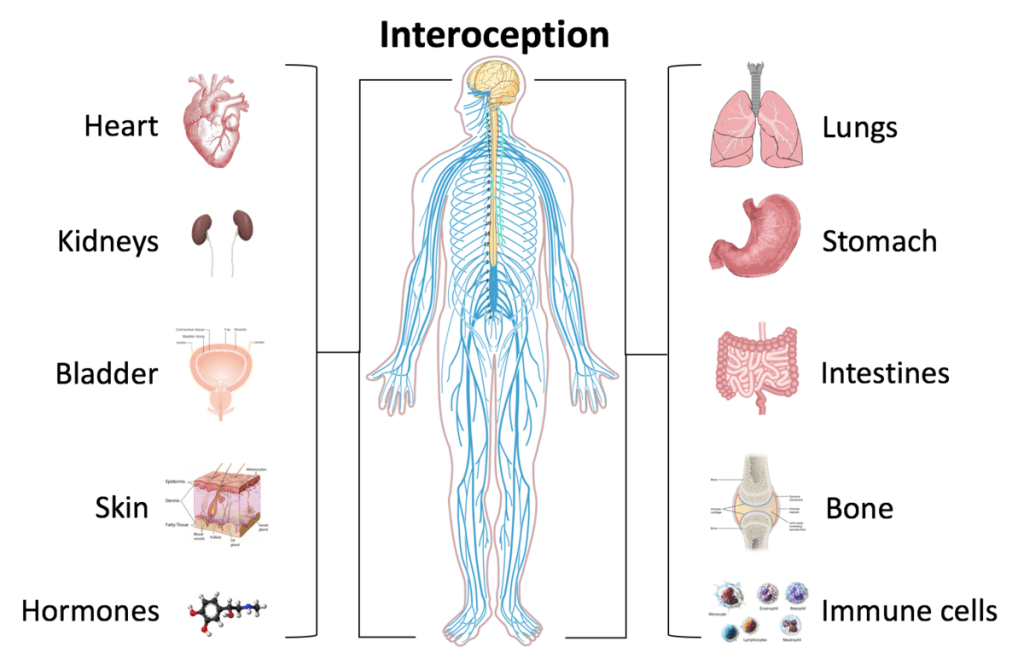
Interoception
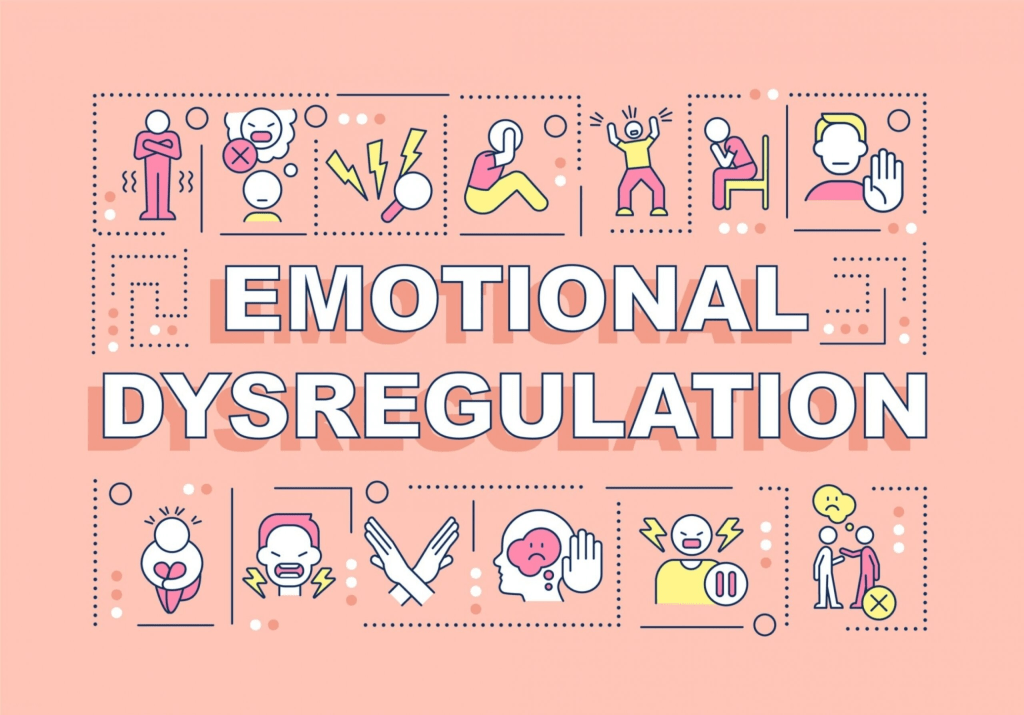
Signs of dysregulation
Ways to regulate
Arousal
We experience a varying array of emotional states throughout the day. These can be know as states of arousal. Arousal is a state of physiological activation and sensation of being alert and awake. This response is actually physiologically locatable within our brain. It is found in the reticular activating system (RAS) a tinnie, tinny spot in our brain stem. This lovely little section of the brain has so much control over how we as humans function.
There are different ranges of arousal, low, high and optimal, and its very important to experience all these ranges throughout our day. For example, its better to be experiencing a low arousal in order to fall to sleep at night, and we want optimal arousal for that 9am meeting. But how do we know if we are in these zones and how can we support a transition and flow through these zones. It honestly requires a lot of self awareness, mapping, and trial and error as it will change every day dependent on all the factors of life. And yes, its completely normal to go in and out of all these states continuously throughout the day, medical attention should be sort after if you are staying in a high arousal/low arousal for multiple days.
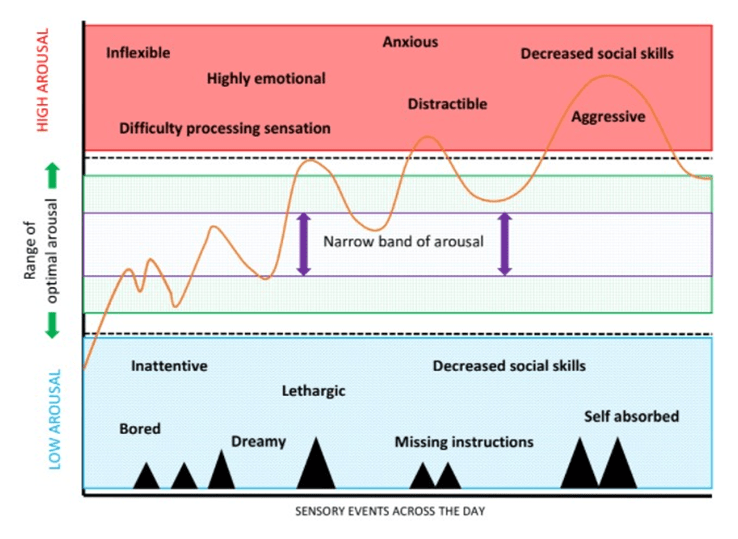
The graph below is a visual representation of what we just discussed. I like to refer to the states of arousal base of ‘THE ZONES OF REGULATION’ .This tool I learnt in my practice as an OT and still use it to date.

High Arousal
“RED ZONE”
The animalistic, fight state. Our nervous system is in the sympathetic state, the pre frontal cortex is shutdown, no rational decisions or conversations can occur. The body moves out of control. Emotions include, anger, mean, elation, terrified

LOW AROUSAL
“BLUE ZONE”
The freeze state. Our nervous system is in the sympathetic state, the prefrontal cortex is shutdown. The body is slow, or not moving, no rational decisions or conversations can occur. Emotions include sadness, sick, tired, bored.

Mid Arousal
“YELLOW ZONE”
A state that we experience before dysregulation, a place between sympathetic and parasympathetic. Some control over our body and thoughts, generally moving at a faster pace. Emotions include frustration, anxious, worried, excited, silly/giggly

OPTIMAL AROUSAL
“GREEN ZONE”
The state of complete control. Our nervous system is in the parasympathetic state, we have full control over decisions and conversation. Emotions include happy, calm, focused and ready to learn.

work 1:1
Want to understand your own and your child’s regulation patterns? Get in touch.
Regsitered: HomegrownconnectionsOT
ABN: 61729387597
 Home Grown Connections